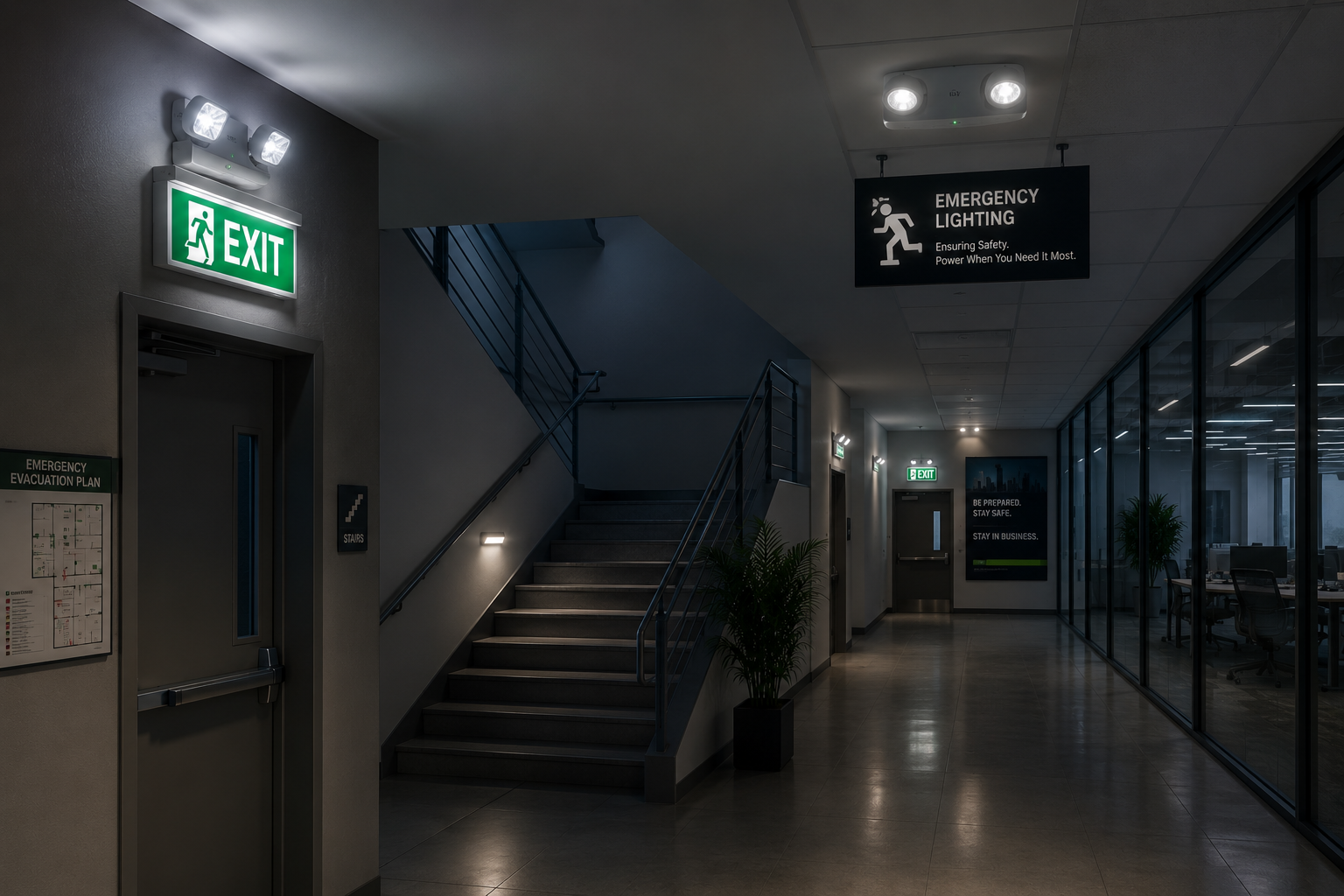
Power outages shouldn't compromise your business. Discover how advanced emergency and security lighting safeguards commercial facilities, deters threats, and ensures complete regulatory compliance.
In regions experiencing frequent power grid instability and load shedding, consistent lighting is more than an operational necessity—it is a critical safety and security requirement. For commercial buildings, retail centers, and industrial hubs, sudden blackouts can lead to panic, accidents, and security vulnerabilities. This is where investing in premium emergency lighting systems becomes non-negotiable.
Ensuring Safety and Compliance
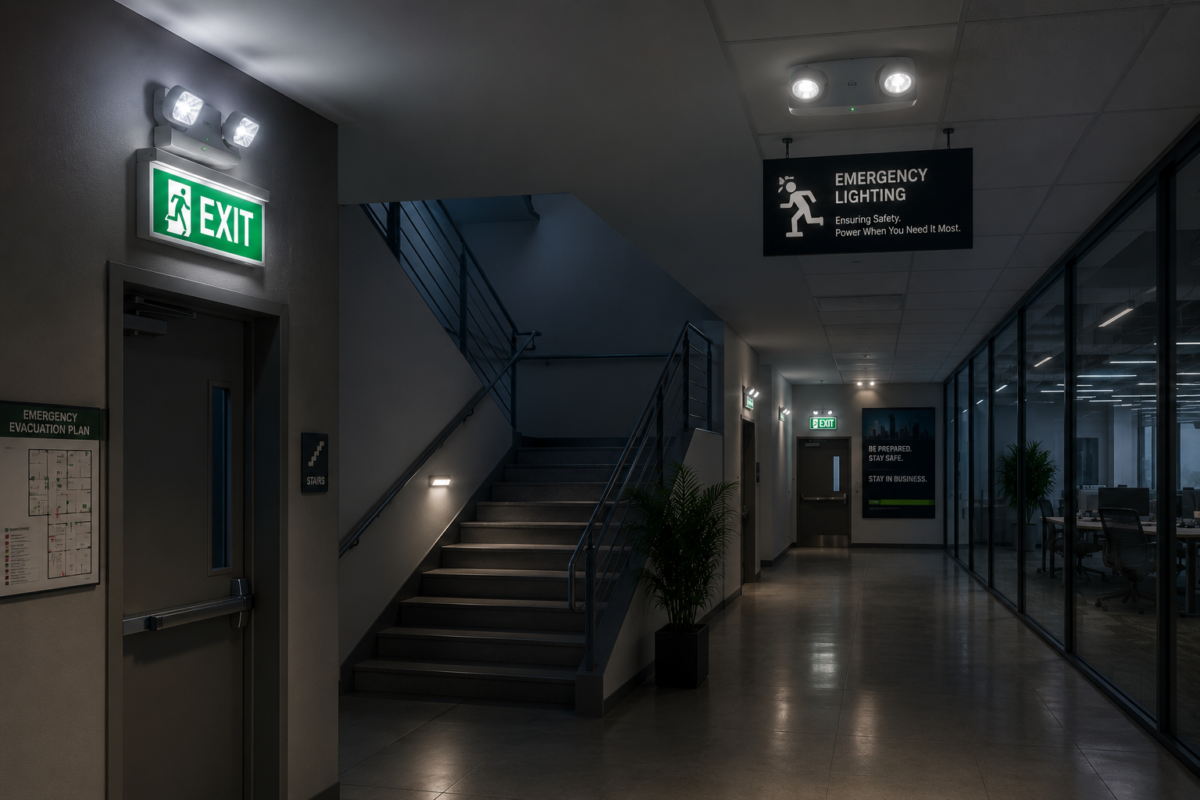
When the main power fails, the immediate priority is the safe and orderly evacuation of staff and customers. Modern LED emergency exit signs and backup bulkheads are equipped with intelligent, long-lasting lithium batteries. These fixtures automatically activate the moment grid power drops, clearly illuminating escape routes and stairwells, thereby preventing accidents and ensuring full compliance with national safety regulations.
Maintaining Perimeter Security
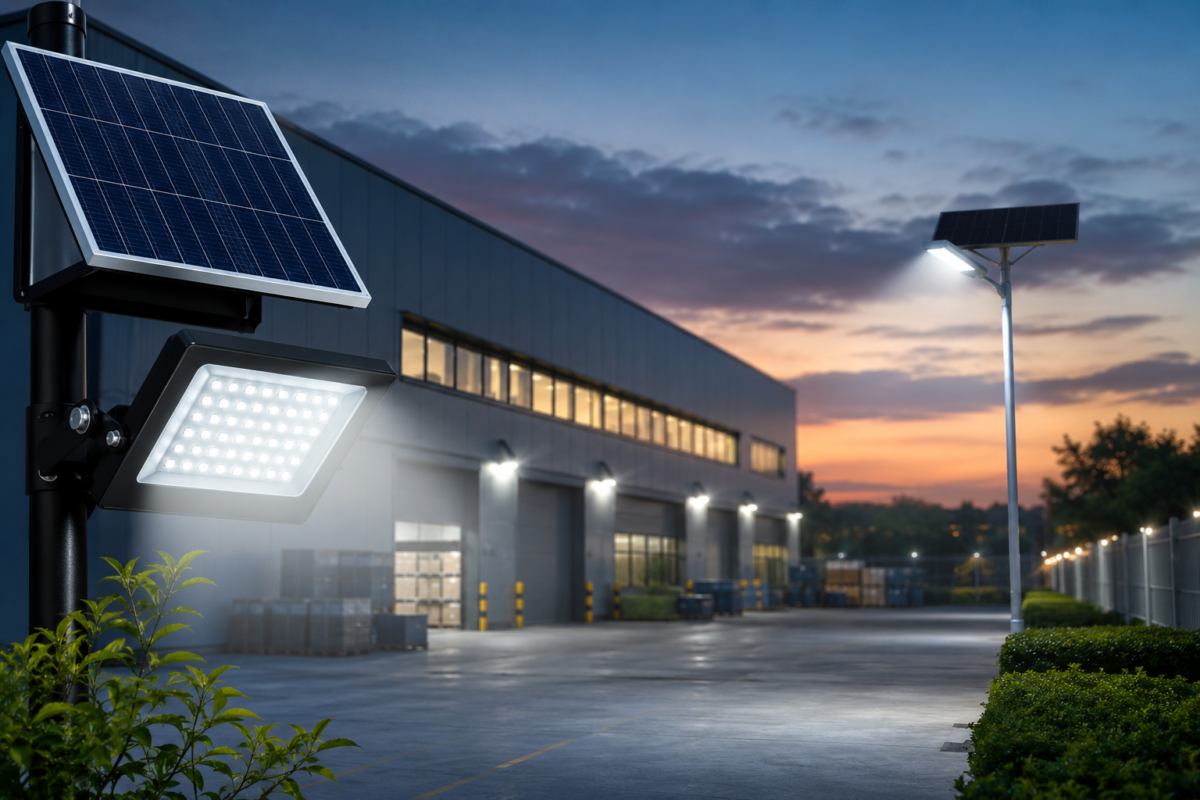
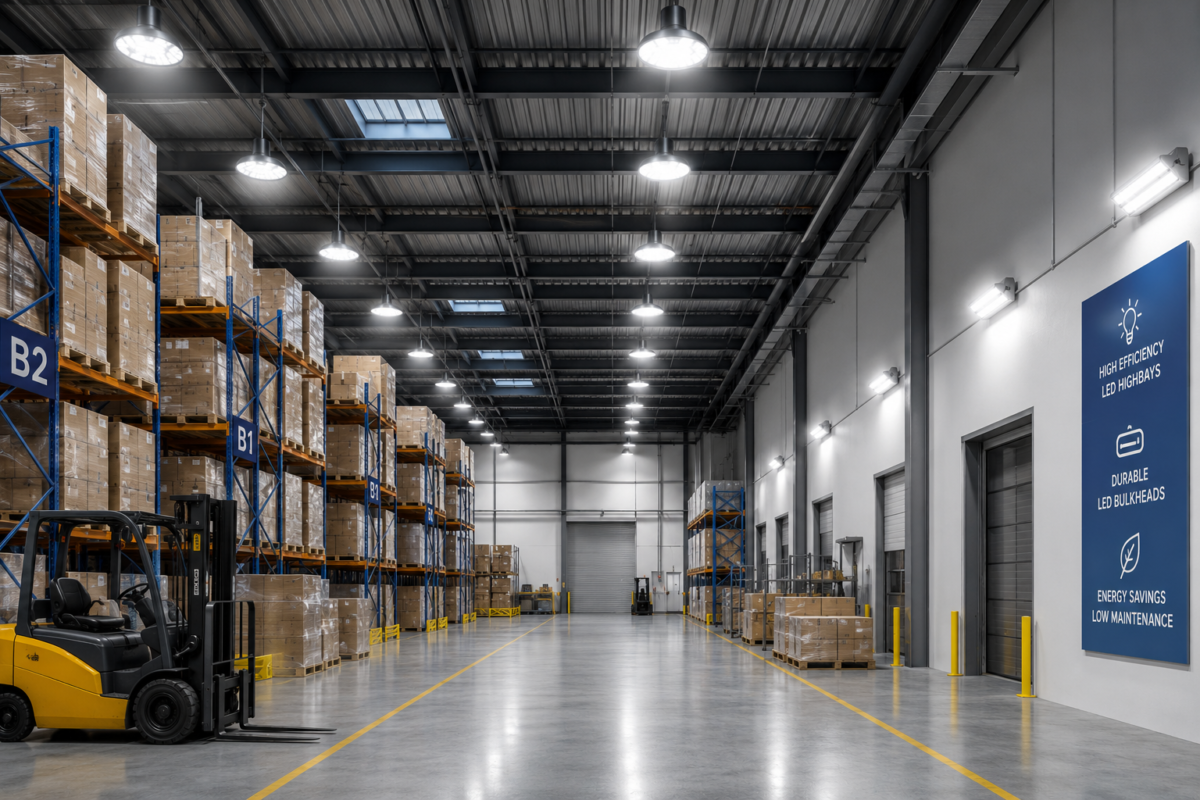
A dark facility is a prime target for theft and vandalism. Security doesn’t sleep, and neither should your perimeter lighting. Integrating battery-backed LED floodlights and solar-powered security lights ensures that loading docks, parking lots, and exterior boundaries remain brightly lit and clearly visible to security cameras, even during extended power cuts.
Seamless Architectural Integration
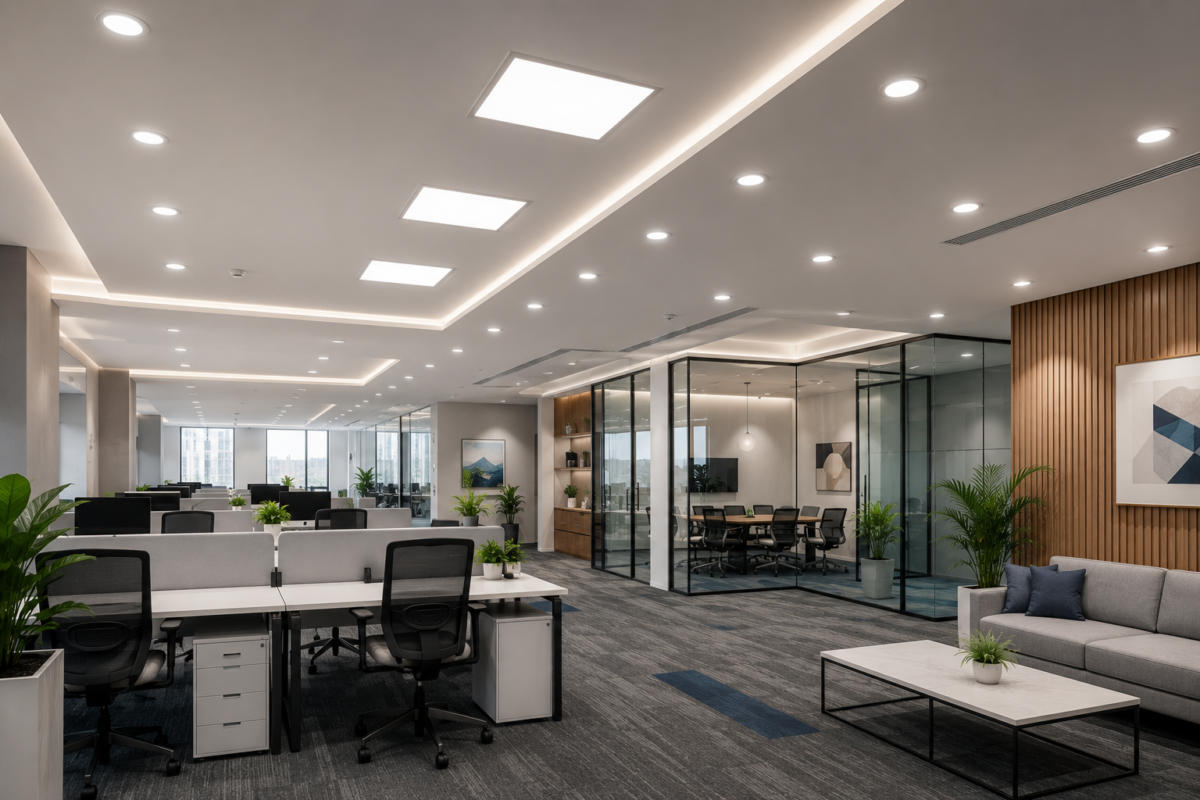
Historically, emergency lights were bulky and disrupted the aesthetic of a commercial space. Today’s advanced LED emergency solutions are sleek, compact, and designed to blend seamlessly into modern ceilings and walls. They offer self-testing features and indicator lights, ensuring that facility managers can easily monitor battery health without manual intervention.
A Smart Investment Upgrading to robust emergency lighting is an investment in risk management. By installing reliable, self-sustaining illumination, businesses protect their most valuable assets—their people and their property—while minimizing the disruptive impact of unpredictable power grids.